Why Is My Grass Dying in Circles? It Could Be Ground Pearls
In this blog:
Expanding circular dead spots in your lawn might signal ground pearls, a grass-destroying insect that feeds on turf’s root systems. They’re a considerable problem in lawns throughout coastal and eastern North Carolina.
- Recognize common signs of ground pearls like brown patches and thinning turf.
- Learn the different types of warm-season grass that are susceptible to ground pearls.
- Understand why ground pearls have no consistently effective cure.
- Find out how proper diagnosis and reliable turf care may help control ground pearls.
Multiple issues might cause circular dead patches on your lawn during the summer. One potential cause is ground pearls, an underground pest that feeds on grass roots and kills the turf.
Ground pearls are hard to control and a considerable problem in eastern and coastal North Carolina. A strong lawn maintenance program may help prevent or control infestations. Explore ground pearls in detail, discover how to spot them and learn their impact on NC lawns.
What Are Ground Pearls?
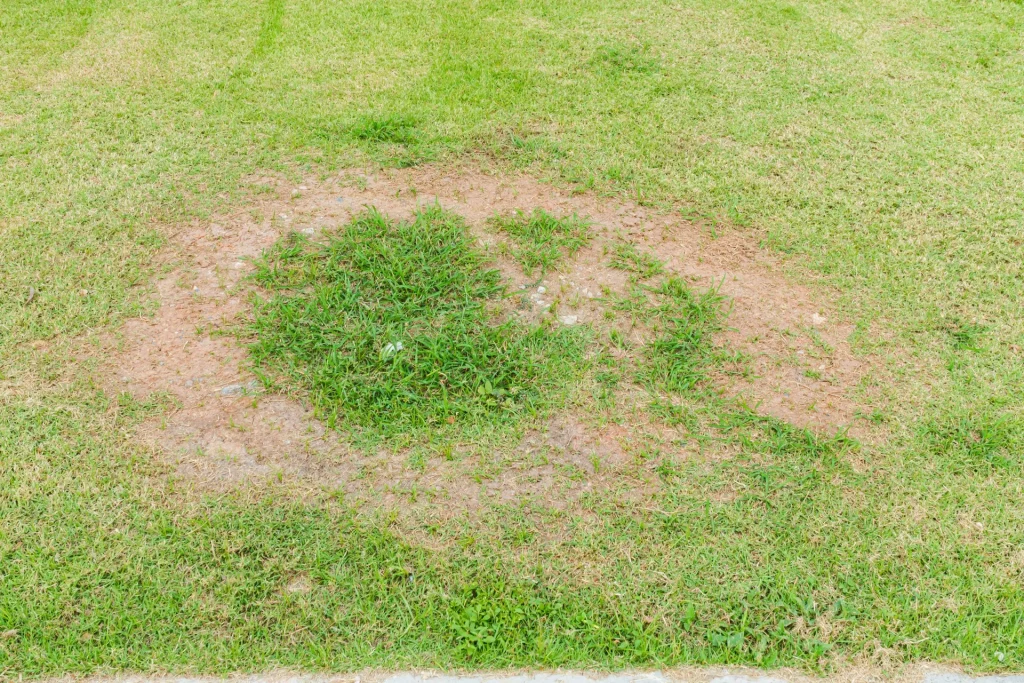
Ground pearls are tiny, scale insects that live in soil and feed on the root networks of various warm-season turf grasses. They belong to the Margarodidae family and are called ground pearls because their hard, waxy shells resemble small, pearl-like lumps. The hard shells and underground habitat of ground pearls make them extremely resistant to pesticides.
During feeding, ground pearls consume a plant’s fluids or saps via its roots. The feeding deprives the turf of nutrients and injects it with toxic saliva. Over time, the damage can cause grass to thin, turn patchy and die.
Since ground pearls live underground, they’re hard to spot without examining a plant’s roots. Therefore, many property owners don’t notice issues until the ground pearls have caused visible turf damage.
What Does Ground Pearl Damage Look Like?
Ground pearl damage can vary between yards. It might manifest as:
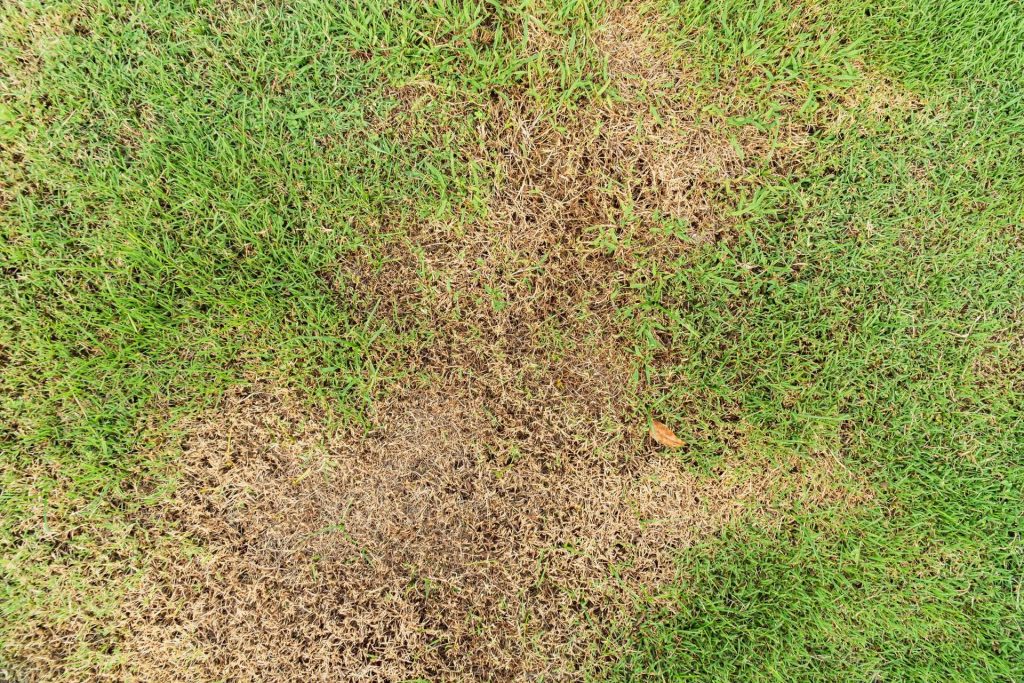
- Brown or yellow lawn patches
- Bare spots that don’t recover after watering or treatments
- Thinning grass
- Drought-like stress, such as wilting or discoloration
- Weeds growing in dead spots
Ground pearl damage is most visible during hot, dry summers, when the weakened grass is further deprived of nutrients and fails to thrive. Turf with ground pearls also tends to have a circular or fairy-ring pattern, which expands as the infestation spreads. Still, the circular pattern is not a definitive indicator of ground pearls.
Why Circular Dead Spots Are Easy to Misdiagnose
Circular dead spots in your lawn could indicate ground pearls, but they may also be due to other causes, such as:
- Soil compaction
- Irrigation issues
- Poor drainage
- Drought stress
- Grubs (insect larvae)
- Lawn fungus
You may fix many of the problems above by adjusting your watering schedule, applying fertilizer, and treating the area with herbicides or pesticides. However, these common lawn management techniques will likely not destroy ground pearls.
If you’ve tried other solutions and find dead areas persist or regrow, ground pearls may be the cause. The best way to confirm is to get a turf maintenance assessment from a professional lawn service like Barefoot Lawn Care.
Which Grass Types Are Most Affected by Ground Pearls?
Ground pearls tend to be a problem in warm-season turf grasses like:
- Centipedegrass
- Bermudagrass
- Carpetgrass
- Bahiagrass
- Zoysiagrass
- St. Augustinegrass
Some turf grasses may be more hardy against ground pearls. Bermudagrass, carpetgrass and bahiagrass are often able to outgrow the root damage ground pearls cause. Zoysiagrass and St. Augustinegrass are in the middle, while centipedegrass is more vulnerable because it’s slow-growing.
Why Are Ground Pearls a Concern in North Carolina?
Ground pearls threaten lawns throughout eastern and coastal North Carolina. Here’s why:
- The region abounds with the warm-season turf grasses that ground pearls love. These grasses thrive in dry, loose, sandy soils, making them popular turf options for homeowners and businesses.
- Eastern North Carolina’s hot, dry summers can accentuate existing insect damage. Drought or soil conditions may also weaken unaffected grass, which may die off faster once ground pearls begin to feed on it.
North Carolina State University is researching ground pearls, but no effective “cure” currently exists. However, those experiencing infestations may still have options. The best way to start is to take action as soon as you notice problems.
What To Do If You Suspect Ground Pearls
Eastern North Carolina who suspect a ground pearl infestation should proceed carefully but confidently. Here are a few things to keep in mind:
- Start with an accurate diagnosis: If grass repeatedly dies in certain areas, get a lawn care professional to assess your lawn for ground pearls. They can recommend the best next steps.
- Contain the infestation: Be careful when working with affected turf. Avoid digging up, disturbing or moving infested soil to prevent spreading ground pearls into healthy grass. Clean tools thoroughly after working in infested areas.
- Foster stronger existing turf: Remember that stronger turf grass may better resist ground pearls. Good lawn care like proper mowing, fertilization, watering and drainage can help build stronger turf.
Often, the best way to control ground pearls is to work with a professional lawn care service that can develop a coordinated plan. A residential or commercial lawn maintenance plan from Barefoot Lawn Care will be tailored to your space’s specific needs, using the right approaches at the right times to combat infestations and keep your space looking its best.
Barefoot Can Diagnose Ground Pearls in Eastern NC
As eastern North Carolina’s trusted lawn care provider, Barefoot Lawn Care helps homeowners and businesses from Raleigh to Wilmington combat ground pearls and other turf issues. By fostering healthy, dense turf that looks and performs at its best, we can create conditions that can better withstand pests.
If you’re wondering about the brown circles in your lawn, contact Barefoot today.
Ground Pearls FAQs
How do I know if my lawn has ground pearls?
Ground pearls may resemble circular dead patches in your lawn, but their appearance can mimic multiple lawn conditions. To confirm an infestation, check the soil and roots around the dead grass for pearl-like bulbs, or have a professional lawn care provider help identify these issues.
Do ground pearls kill grass?
Yes. Ground pearls can slowly kill grass over time because they feed on the sap and vital nutrients needed for growth. Turf death may not be immediate, but often worsens over time. Permanent turf loss can occur in infested areas.
Can ground pearls be treated?
Currently, there’s no truly effective treatment for ground pearls, and they’re quite resistant to pesticides. Fostering stronger existing turf may help control or reduce the issue, as robust grass may better withstand the feeding insects.
What grass is best for ground pearls?
Ground pearls prefer warm-season turfgrass, but some varieties may be better. Bermudagrass is often considered one of the more tolerant varieties, alongside carpetgrass and bahiagrass. If you’re curious about the best turf for you, speak to a Barefoot turf expert.
Are ground pearls common in North Carolina?
Yes, ground pearls are widespread in eastern and coastal North Carolina. The turfgrass they prefer thrives in these areas, and the region’s hot, dry summers support ground pearl spread.