North Carolina Goosegrass Control
Goosegrass (Eleusine indica) is a common, aggressive weed prevalent throughout North Carolina. It typically affects agricultural land, athletic turf and wild areas, but can easily overtake standard lawns. Goosegrass often requires a skilled, ongoing lawn maintenance program for proper control.
The best way to control goosegrass is to act before it has a chance to take root. Barefoot Lawn Care is the expert team that helps homeowners and businesses in eastern North Carolina stop these plants from getting out of control.
What Is Goosegrass?
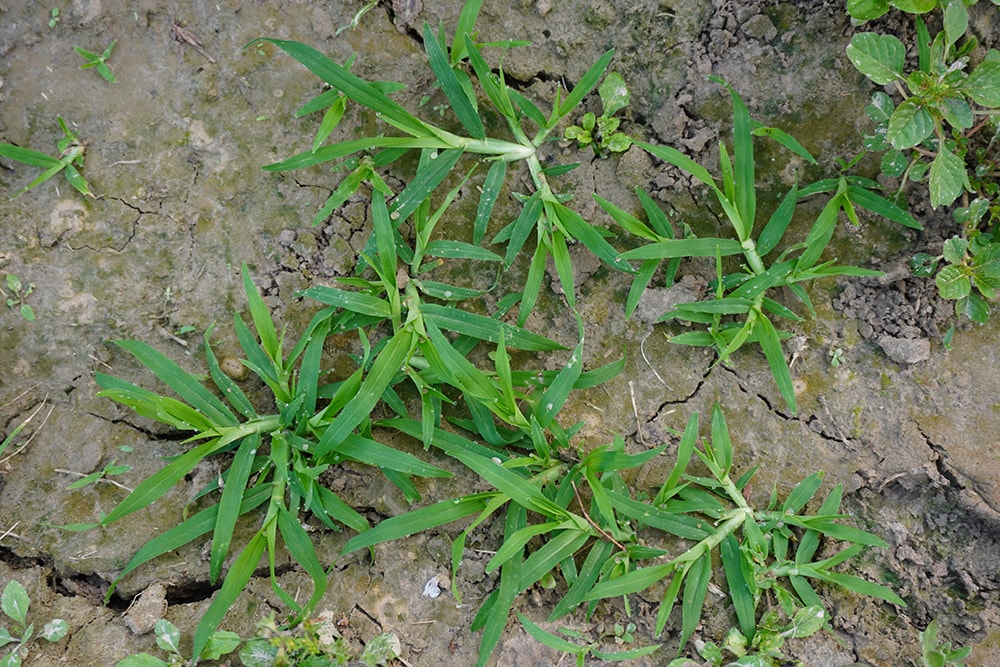
Goosegrass is a summer annual weed that usually grows flat to the ground but can produce upright shoots and flowering stems. It’s often called silver crabgrass because it has a flattened white or silver base resembling a pinwheel. While goosegrass shares certain characteristics with crabgrass, it is a separate type of weed.
As a warm-weather plant, goosegrass typically grows when soil temperatures reach 60 to 65 degrees. It prefers moisture and full sun, thriving in compacted soils or where there is sparse existing turf. It poses a threat to well-mowed, well-watered and low turf.
These characteristics make goosegrass a particular risk to:
- Grazing land
- Athletic fields
- Golf courses
- Areas with high foot traffic
Goosegrass also spreads pervasively, with each plant producing 50,000+ seeds carried by wind, water and contact. Goosegrass removal, weed control and turf maintenance must be handled carefully to contain and destroy the plant. Barefoot Lawn Care’s experts can help you develop appropriate solutions.
How To Get Rid of Goosegrass
Goosegrass weed control can involve pre-emergent and post-emergent practices based on your turf’s needs. Coordination from Barefoot’s team ensures you receive the right solutions.
Pre-Emergent Goosegrass Control
It’s usually easier to control goosegrass in the pre-emergent stage, before it has a chance to grow and reseed. Potential solutions include:
- Hand weeding that removes the entire plant
- Pre-emergent herbicides that prevent weed growth
- Core aeration that loosens compacted soil
Mowing goosegrass is often ineffective, since mown stems can still re-seed. Proper irrigation is important to avoid overly moist conditions.
Post-Emergent Goosegrass Solutions
Post-emergent goosegrass control requires care and thorough destruction of existing plants. Herbicides can help manage the weed, but goosegrass also has a strong root system, making it quite hardy. Hand removal may be necessary.
Why Choose Barefoot Lawn Care?
Controlling goosegrass weeds requires precision and commitment, and every infestation is unique. Barefoot Lawn Care approaches each case individually, delivering appropriate solutions without risking the rest of your lawn. This is why customers from Raleigh to Wilmington trust us to nurture better green spaces.
Get Professional Goosegrass Removal in North Carolina
If you have concerns about goosegrass, it’s a good idea to start getting rid of it. Barefoot Lawn Care can assess your lawn’s needs and recommend an appropriate maintenance approach to keep it thriving.
Get in touch with us today.
Goosegrass FAQs
What does goosegrass look like?
Goosegrass has thin shoots and elongated green stalks that grow low to the ground, often in a circular or pinwheel shape. It may produce upright shoots and flowering stems. Goosegrass resembles crabgrass and is often called silver crabgrass because it has a flattened white or silver base.
Where does goosegrass grow?
Goosegrass grows throughout North Carolina but prefers full sun and moist, compact soils, often near marshes and streambeds. It can root in low or well-maintained turf, threatening agricultural land and manicured properties like athletic fields and golf courses.
When does goosegrass grow?
Goosegrass is a summer annual weed that grows when soil temperatures reach 60 to 65 degrees. The plant dies off in the fall and winter, but it seeds pervasively, enabling ample regrowth next year.
What kills goosegrass?
Pre-emergent and post-emergent herbicides can help kill goosegrass. However, the plant’s strong root system and seeding abilities often mean additional weed control methods are necessary.
How much does goosegrass removal cost?
Every goosegrass problem is unique and requires a unique treatment approach. Therefore, your treatment costs will vary. Barefoot Lawn Care’s experts know how to create a goosegrass weed control plan that delivers maximum results without waste. We regularly retool processes and implement the latest solutions to ensure continued success, giving you ongoing value for your investment.
Request a free estimate for goosegrass removal today.