Tall fescue is one of the most widely grown cool-season grass species in North Carolina. Although it can be quite hardy, disease-resistant and requires relatively little maintenance, it still needs appropriate care to truly thrive in the South’s warmer climate.
Balanced, adaptable care helps tall fescue grass withstand heat, drought, inconsistent irrigation, disease, fungus, weeds, soil problems and other issues that may try to undercut it. Barefoot Lawn Care’s customized tall fescue maintenance program will better ensure that won’t happen in any season.
What Is Tall Fescue?
Tall fescue is a moderate- to coarse-bladed cool-season grass. It typically grows best during the cooler spring and fall months. It can also tolerate summer’s heat and drought, and grows well in the shade, provided it is properly maintained. Tall fescue typically grows quickly and can create durable ground cover that requires comparatively little upkeep.
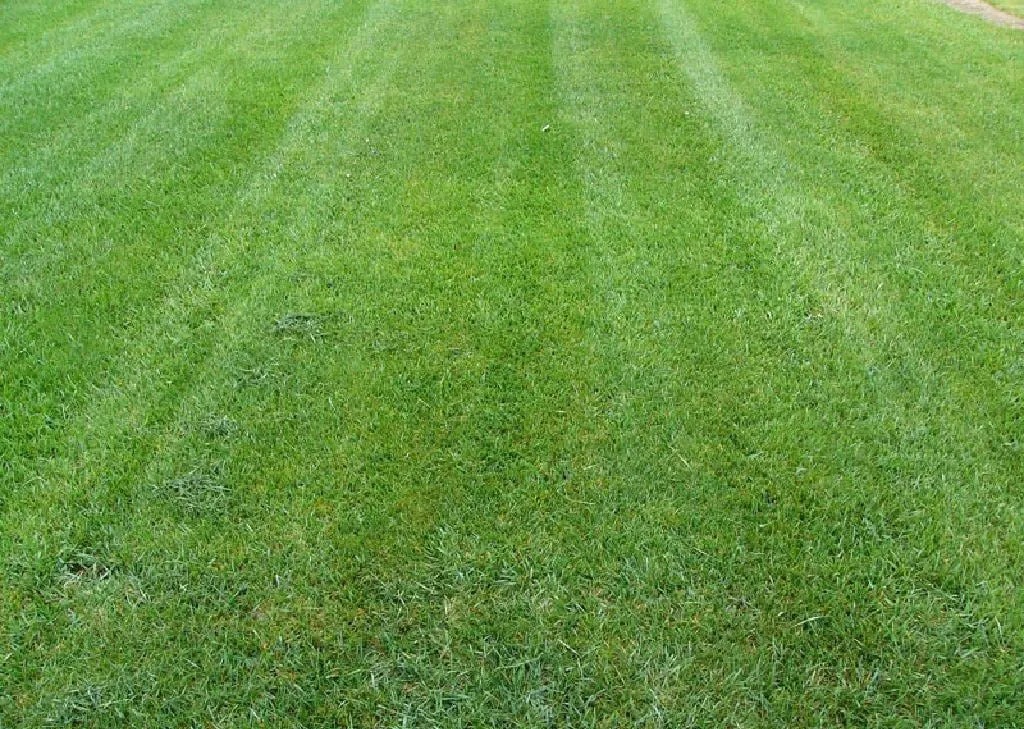
Still, like any grass, tall fescue is not fail-proof. You’ll want to be aware of various challenges that may arise over the life of your lawn:
- If exposed to prolonged periods of warmth or wet conditions, tall fescue has a tendency to develop fungal diseases such as brown patch and gray leaf spot.
- Tall fescue does not tolerate close mowing, so overworking your lawn may do more harm than good.
- It’s hard for tall fescue to recover from excessive wear and tear or pest injuries, especially if it has already been weakened through poor upkeep.
These factors don’t mean tall fescue isn’t a great choice for North Carolina lawns. It just means that you’ll want to maintain your lawn to withstand these challenges.
Why Tall Fescue Needs Year-Round Care in North Carolina
North Carolina’s transitional climate encompasses all four distinct seasons. A tall fescue lawn needs to weather them all, especially the hot, muggy summer. A seasonal lawn maintenance program helps your tall fescue thrive year-round.
Your Custom Tall Fescue Lawn Maintenance Program
A tall fescue maintenance program from Barefoot Lawn Care consists of eight strategically timed services designed to support active growth. Your program will be carefully tailored to your specific lawn, and services may include:
- Weed control
- Irrigation and drought management
- Re-seeding
- Disease protection
- Fertilization
- Pest control
- Core aeration
- Top-dressing
- Soil management
Below is a breakdown of how a general program may look. Keep in mind that every property is different. Weather, soil conditions, irrigation and the current health of your turf can all affect the exact care approach. Treatments may change throughout each season, and additional work may be recommended.
Tall Fescue Lawn Maintenance Calendar
The NC State Extension maintenance calendar below provides a general care guide for North Carolina tall fescue lawns.
Why Choose an Ongoing Tall Fescue Maintenance Plan?
Tall fescue grass requires specific care in specific seasons, and applying a one-size-fits-all approach to your North Carolina lawn may put your turf at risk. With an ongoing maintenance plan, you can:
- Address different issues throughout the season
- Catch developing lawn problems before they become larger
- Adapt lawn care to changing seasonal conditions
The good thing about this approach is that it will help you maintain consistent turf, and you’ll be able to worry less about undertaking periodic extensive rehabilitation. It’s a more efficient way to keep your lawn looking great year-round.
Build the Best Plan for Your Tall Fescue Lawn
Barefoot Lawn Care is the experienced team you can trust to make maintaining your tall fescue lawn easy. Let us take a look and recommend a specific care plan that accounts for soil conditions, irrigation, weed control, disease prevention and more. Request your free lawn analysis.
Does tall fescue need year-round lawn care in North Carolina?
Yes. In North Carolina’s variable climate, tall fescue’s needs will change throughout the year. Spring care is designed to prepare the lawn for the approach of the state’s hot, muggy summers, and summer care helps maintain its strength against these conditions. Fall care is designed to help the lawn recover from summer and provide it with appropriate nutrients to withstand winter.
Why does my tall fescue lawn thin out every summer?
If your tall fescue lawn doesn’t receive proper care, it may begin to thin in North Carolina’s warm, muggy summers. Brown patch disease is a particular threat in these conditions. A variety of other factors, such as improper mowing, poor soil conditions, inconsistent irrigation and disease, may all weaken the grass and make it more susceptible to high heat, drought or wet summers.
Do I need to overseed tall fescue every year?
Most tall fescue lawns need either light or heavy overseeding annually. Tall fescue is a clump-forming grass where seed develops into an individual plant. It does not have rhizomes that allow it to spread and fill in damaged areas. Therefore, overseeding can help restore new growth in damaged or sparse areas.
Keep in mind, if you overseed without taking care of other issues that may damage your lawn’s health, you’re simply prolonging existing issues. You may also make it more difficult for the new seeds to flourish. Keeping up with balanced weed control, irrigation and disease management can all help make it easier for tall fescue lawns to flourish.
How often does Barefoot Lawn Care treat tall fescue lawns?
Barefoot Lawn Care’s tall fescue maintenance program includes eight treatments across all four seasons. Each treatment is designed to target the conditions that are most likely to affect your lawn at that specific period. However, all lawns are different, and you may need additional services in each season.