When to Apply Fungicide to Your Lawn
In this blog:
Applying fungicides to your North Carolina lawn can help prevent fungal diseases or control existing outbreaks.
- Learn when preventative fungicides can help reduce disease risk and when curative treatments may be needed for an active fungal problem.
- Understand how weather, humidity, irrigation and mowing habits can influence your lawn’s fungus risks
- See how fungicide timing and treatment needs can vary depending on your lawn.
North Carolina’s frequent warm, humid weather creates ideal conditions for several common fungal lawn diseases. Under the right conditions, brown patch, large patch, dollar spot and other turf diseases can quickly develop. Once they do, they can be hard to get rid of, and you’ll need to apply the right fungicides to get a handle on the issue.
If your North Carolina lawn has an active fungal problem, fungicide can help control the spread. If there aren’t any issues yet, preventative fungicide can help lessen the risk. Keep reading to learn more about fungal diseases and why fungicide treatments should be a central part of your lawn care strategy.
Common Fungal Lawn Diseases in North Carolina
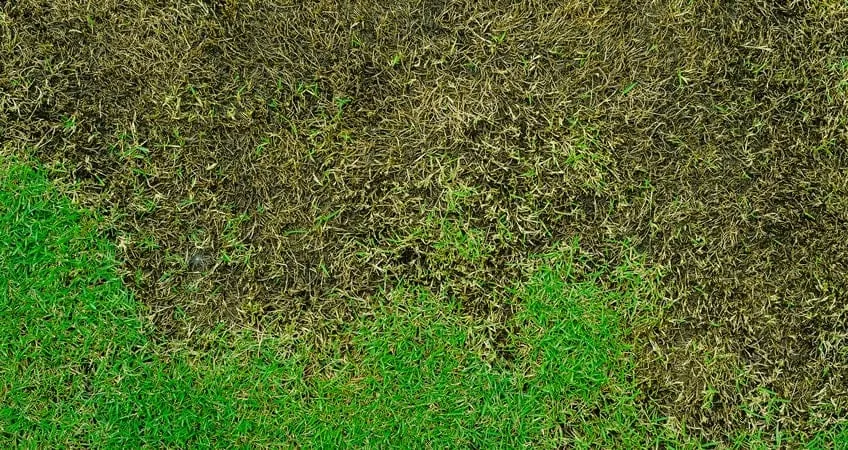
Before we talk about fungicide treatments, we have to talk about which diseases might threaten your North Carolina lawn. Several have been identified in the state, including:
- Brown patch disease: Brown patch disease appears as circular brown patches of grass with darker, water-soaked edges that signal its spread.
- Large patch disease: Large patch disease creates circular patches of brown or reddish-brown grass, primarily affecting warm-season grasses like Centipede, Zoysia and St. Augustine.
- Dollar spot disease: Dollar spot starts as small, circular patches of bleached or straw-colored grass and are often found with fine, web-like roots in the morning.
Fungicides can often be used to treat and control these conditions. However, the right one for your lawn may depend on the specific diseases, grass type and environmental conditions.
Factors That Can Increase Lawn Disease Risk
A number of factors may increase your lawn’s risk of fungal disease, including the weather, your irrigation habits and your mowing practices.
Weather
Weather—warm weather specifically—is one of the biggest factors that may increase your lawn’s risk of fungal diseases. Watch for periods of:
- Warm nighttime temperatures
- High humidity
- Frequent rainfall
- Extended leaf wetness
- Poor air circulation
A single rainy day does not necessarily mean your lawn is at risk of fungus. However, prolonged periods of damp, humid or stagnant weather are perfect breeding grounds for disease-causing fungi. Lawns with a history of fungal disease should be monitored particularly closely when these conditions occur.
Overwatering
If you over-water your lawn, you’re adding more of the moisture that fungi love to the soil. Oversaturation may also damage the turf’s roots, leaving it more susceptible to disease and other issues. Generally, it’s better to water your grass earlier in the day, to give the grass and soil more time to dry during the daylight hours. You may have to water more or less frequently depending on rainfall and the surrounding atmospheric conditions.
Improper Mowing
If you mow your grass too short, you might wind up damaging the fibers and making it less resilient to fungi intrusion. Most grasses have optimal mowing lengths, and you need to leave it long enough to encourage healthy leaf tissue and strong growth.
How to Know When Fungicide Is the Right Lawn Treatment
The challenge with diagnosing any problem with your lawn, including fungal diseases, is that the symptoms may all look fairly similar. Diseased or damaged grass may turn brown, dry up, thin or die off. This could certainly be a result of fungus, but it could also stem from challenges like drought, insect damage, nutrient problems and improper mowing. Simply assuming the problem is fungus and applying a fungicide may cause you to waste time on non-existent issues.
To truly diagnose a fungus in your lawn, you might need to look a little closer at your grass. Different fungal diseases may manifest in different ways. Lesions or spots may appear on the grass and strange spores or fibers may develop. The grass’s color may change, and different grasses may react differently to the fungus.
It often takes a specially trained eye to observe all the symptoms and make an appropriate diagnosis. A Barefoot Lawn Care specialist can evaluate the lawn, identify signs of disease and recommend treatment based on the grass type, growing conditions and severity of the problem.
Preventative vs. Curative Fungicides: When Should You Apply?
If you have an active fungal disease in your lawn, your lawn will require curative fungicide treatments. If you are trying to prevent a fungus from starting, you’ll need preventative fungicide treatments. Each process can vary slightly.
Curative Fungicide Applications
Curative fungicides are used on active fungal diseases. They aim to slow or stop the spread of the disease to healthy turf. You’ll generally need to begin treatments as soon as you have an appropriate diagnosis.
Curative fungicides will not immediately heal already damaged grass. Therefore, you’ll likely need to follow further mowing, irrigation, fertilization and reseeding strategies to restart healthy grass growth, and recovery may take time. Homeowners who regularly experience fungal problems may benefit more from a preventative strategy than repeatedly waiting for symptoms to appear.
Preventative Fungicide Applications
Preventative fungicide treatments occur before the disease has a chance to take root in your lawn. If small breakouts have begun, preventative applications can also help protect surrounding turf before the issue has a chance to spread.
If your North Carolina lawn is particularly susceptible to fungal diseases, a preventative treatment approach may prove just the ticket to keeping it in its best shape. However, even lawns that haven’t experienced fungal diseases before can develop them, especially in the South. The region experiences frequent humidity, as well as periodic heavy rains. Fungi often find this a perfect breeding ground, especially during warmer weather when nighttime temperatures rise above 60°F consistently.
Fungicide Timing by Grass Type
Most warm- and cool-season grasses in North Carolina can benefit from fungicide treatments, although the exact approach to each may vary.
Cool-Season Lawns
Cool-season grasses, such as tall fescue, typically need very special care during warmer months when fungus risks are at their highest. A preventative fungicide treatment plan is often a core part of a tall fescue maintenance plan. Balanced and properly timed irrigation is also key. Watering late in the day or evening can leave turf wet overnight and create conditions that favor fungal development.
Warm-Season Lawns
Warm-season grasses, such as Bermuda, zoysia, centipede and St. Augustine can also experience fungal issues. These can appear during the summer, but they’re also likely to occur in the cooler temperatures of spring and fall, when these grasses are not at their strongest. Large patch disease is a common issue in warm-season grasses. Preventative treatments during cooler months may help stop issues before they can begin.
How Often Does Fungicide Need to Be Applied?
Giving grass a fungicide treatment is a lot like giving it medicine. Fungicides usually need to be applied more than once over an extended period, depending on the severity of the problem. Generally speaking, most lawns require preventative treatments every two or three weeks. However, lawns with active fungal disease may require more frequent fungicide applications.
Ultimately, your fungicide treatment schedule will be influenced factors like:
- The type of grass you have
- The fungal disease present (if any)
- The fungicide being used
- Surrounding weather conditions
- The extent of the condition
No two lawns are alike, and if you can more carefully tailor the treatment to your specific lawn, the better chances you have of defeating a fungal disease and encouraging healthy growth. Barefoot Lawn Care will tailor your lawn care program specifically to your turf, weighing factors like irrigation, environmental conditions and grass type carefully to help us determine how best to apply preventative and curative fungicides where needed.
Lawn Fungus Prevention Matters. We Can Help You Do It.
When you get ahead of lawn fungus, you have a much better chance of preventing turf damage. That’s why it’s so important to make disease management central to your overall lawn care plan.
Barefoot Lawn Care understands the unique conditions that put North Carolina lawns at risk of fungal issues, and we know how to coordinate preventive and active treatments to keep things under control.
Get a free lawn assessment to learn how we can help you address potential fungus issues.
Frequently Asked Questions
Should I apply fungicide before I see lawn disease?
If your lawn has a history of recurring fungal disease, preventative fungicide treatments may be appropriate. Existing weather conditions and the type of grass you have may also influence this decision. Speak to a lawn care professional to learn more about your specific needs.
Is preventative fungicide better than curative fungicide?
If you can use preventative fungicides to prevent active fungal outbreaks, you may be able to fend off lawn damage. However, neither preventative nor curative fungicides are automatically better. The one you need depends on whether you have an active fungal disease in your lawn or if you’re trying to keep one from forming.
Can watering at night cause lawn fungus?
Yes, night watering keeps the grass and soil wetter for longer because there is no sun present. Therefore, conditions favorable to fungi exist for longer. It’s generally a better idea to water your grass in the morning to allow maximum sun exposure.
Will one fungicide application cure my lawn?
Not always. Some diseases may require multiple treatments and continued monitoring. Damaged turf may also need time and proper lawn care to recover.