Mole crickets have become one of the most significant pest problems for eastern North Carolina lawns, golf courses and commercial properties.These highly destructive insects burrow deep within the soil and can significantly damage grass, leading to thinning turf and bare patches.
Once they infest your lawn, mole crickets can be hard to destroy. Precise treatment is essential if you want to keep this invasive species at bay. Barefoot Lawn Care will help you plan an insect control strategy that keeps your turf protected any time of year.
What Are Mole Crickets?
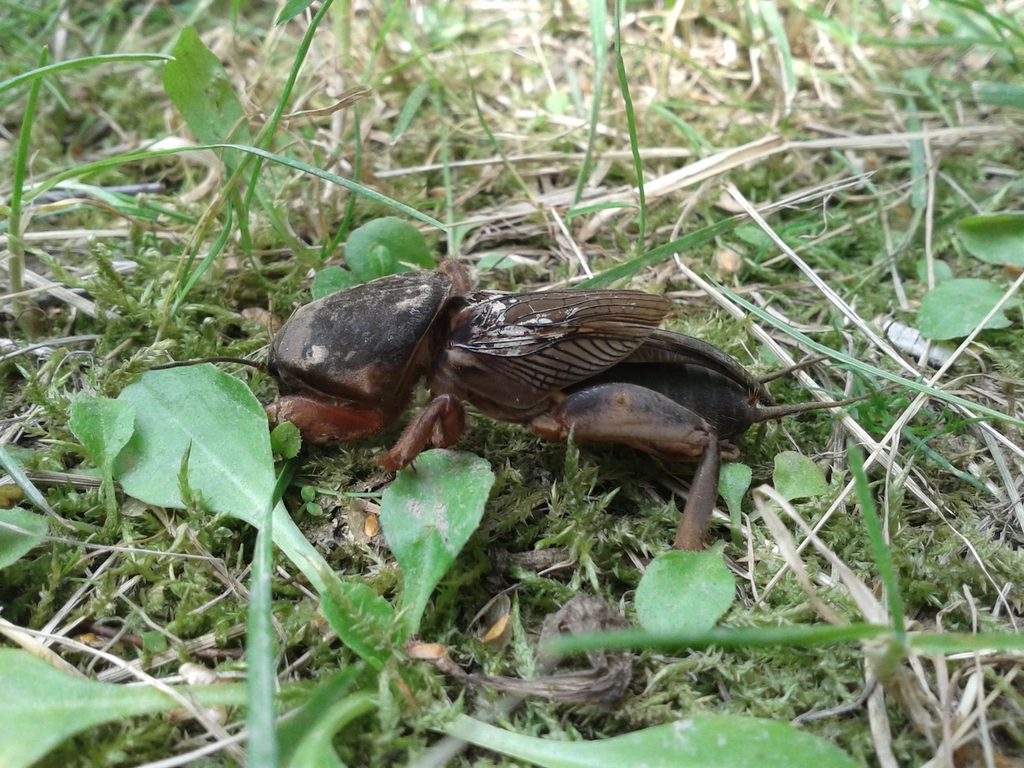
Mole crickets are soil-dwelling insects that can be up to a couple of inches long. Like moles, they burrow deep underground and have enlarged, stubby front legs that make it easier to dig.
Southeastern North Carolina is home to two primary mole cricket species, and each has characteristics that make it a threat to existing turf.
Tawny Mole Crickets
Tawny mole crickets are generally the smaller, but more damaging species. When burrowing underground, they can do significant damage to turf roots. They also feed heavily on the grass’s shoots.
Southern Mole Crickets
Southern mole crickets are smaller than tawny crickets and primarily feed on small soil organisms. However, they still tunnel extensively under turf, disturbing and damaging the roots.
Why Mole Crickets Damage Turf
Mole crickets can damage turf through both their feeding and tunneling habits. Both activities can put the grass’s health and stability at risk. If you don’t get a handle on the issue, your lawn can lose the lush, green feel you’ve worked so hard to cultivate.
Root and Shoot Feeding
By feeding on turf’s roots and shoots, mole crickets can significantly weaken the grass. Bare, thinning patches may appear, and it may become easier to pull up the grass.
Tunneling Damage & Soil Disturbance
Mole crickets tunnel extensively beneath the turf and spend a lot of time under the surface. Their activities can dislodge roots and loosen the soil. It may become harder for the grass to remain firmly established, leading to both turf and soil loss.
Signs of Mole Cricket Damage in Your Lawn
Mole crickets themselves can sometimes be difficult to spot. However, a variety of other signs of damage may signal an infestation. These include:
- Irregular areas of thinning or dying grass
- Loose or spongy turf
- Soil that looks churned or disturbed
- Small tunnel openings in the lawn
- Grass that pulls up more easily because roots have been disturbed
- Damage that becomes more noticeable during warm, wet weather
The heavier the infestation, the more obvious the damage may be.
The challenge with spotting a mole cricket infestation is that it can often resemble other common lawn problems, such as disease or drought stress. Still, it’s very important that you have a proper diagnosis before you begin any type of treatment. A free lawn analysis from Barefoot Lawn Care can help you get to the root of your issues with ease.
Why Early Mole Cricket Control Matters
Mole crickets are very difficult to control, especially as an infestation grows. If you want to avoid major lawn damage, you need to treat them as early in their annual lifecycle as possible.
In North Carolina, the mole cricket treatment process may involve:
- Beginning treatment in the spring to destroy mole cricket eggs.
- Continuing treatment into the summer to target newly hatched mole cricket nymphs.
- Adapting later summer and fall treatments to target adults, although this process is often more difficult.
Every lawn’s mole cricket problem is different, so the right treatment approach for yours will vary based on factors like the extent of the pest activity, turf condition and the season.
Your Barefoot Lawn Care professional can help you evaluate the extent of the problem and come up with a personalized solution.
How Barefoot Checks for Mole Crickets
At Barefoot Lawn Care, our mole cricket control processes are designed to effectively root out the issue before these pesky insects have a chance to destroy your roots.
As part of your free lawn analysis, we’ll carefully scout affected areas to look for signs of thinning turf, tunneling, disturbed soil and the presence of insects themselves. We may also recommend turf flushing to drive mole crickets to the surface. Once we have a proper diagnosis, we’ll then develop a targeted treatment plan.
Mole Cricket Control as Part of a Healthier Lawn
Mole cricket prevention and removal can be an integral part of a comprehensive lawn care program, and relieving pest pressure is a core part of maintaining lawn health. If mole crickets have already weakened your turf, you run the risk of experiencing other issues, such as:
- Weed growth
- Soil loss
- Irrigation problems
- Drought stress
- Turf disease
With a balanced, targeted residential lawn care program that includes appropriate mowing, proper irrigation, regular fertilization and pest control, you can foster stronger turf that’s more resistant to future threats. It’s a less complicated way to maintain a beautiful green space that can stand up to all the unfortunate parts of nature, like mole crickets.
Protect Your Lawn From Mole Cricket Damage
If you notice thinning grass, disturbed soil or unusual tunneling in your lawn, Barefoot Lawn Care can help determine whether mole crickets are responsible. Our team will evaluate your property and recommend a treatment approach based on your lawn’s condition and seasonal pest activity.
FAQs
What does mole cricket damage look like?
Mole cricket damage may appear as thinning grass, bare patches, disturbed soil, small tunnel openings or areas that feel soft and spongy underfoot. It’s important to get treatment as soon as possible to prevent further damage.
When are mole crickets most active in North Carolina?
Adult mole crickets tend to mate during the early spring, with mole nymphs hatching in the summer. At this time, infestations often become much more noticeable.
Do mole crickets kill grass?
Different mole cricket species can dislodge and damage grass roots, and feed on the grass’s roots and shoots. This can weaken and kill the grass.
Can mole cricket damage be confused with other lawn problems?
Yes, mole cricket damage may also resemble other common lawn issues such as turf disease, drought stress and irrigation problems. It can also look similar to other insect damage, which is why proper diagnosis is important before we can begin treatment.
Will one treatment get rid of mole crickets?
Not necessarily. Mole cricket treatments differ from lawn to lawn. They may depend on the level of infestation, insect life stage, the season and turf conditions. Continued monitoring or additional treatment may sometimes be necessary.