How To Repair a Drought-Damaged Lawn in North Carolina
In this blog:
If your North Carolina lawn has drought damage, there are a number of tips you can follow to help it recover before simply replanting new grass. See how to identify the problem and give stressed grass the right conditions to bounce back.
- Learn how to tell whether brown grass is dormant, diseased or truly dead.
- Explore ways to balance irrigation, improve soil conditions and control weeds during recovery.
- Avoid common drought-recovery mistakes like overwatering, overfertilizing or reseeding too soon, which may make the problem worse.
North Carolina’s summers can be a mixed bag, and when drought moves in, even the best lawns can start looking rough. If you’re noticing browning, thin or dead grass popping up after long periods without rain, it’s only natural to want to fix it. But before you reach for the fertilizer, you might want to take a closer look at what’s really going on under the surface.
Drought affects all North Carolina lawns differently. Some become stressed, others go dormant and others die. Your entire lawn may be affected or only a part of it, and the severity of the issue can even vary across your lawn. It’s important to get a good idea of the extent of the problem before you start making repairs. Let’s take a closer look at how drought affects lawns and ways that you may be able to repair them.
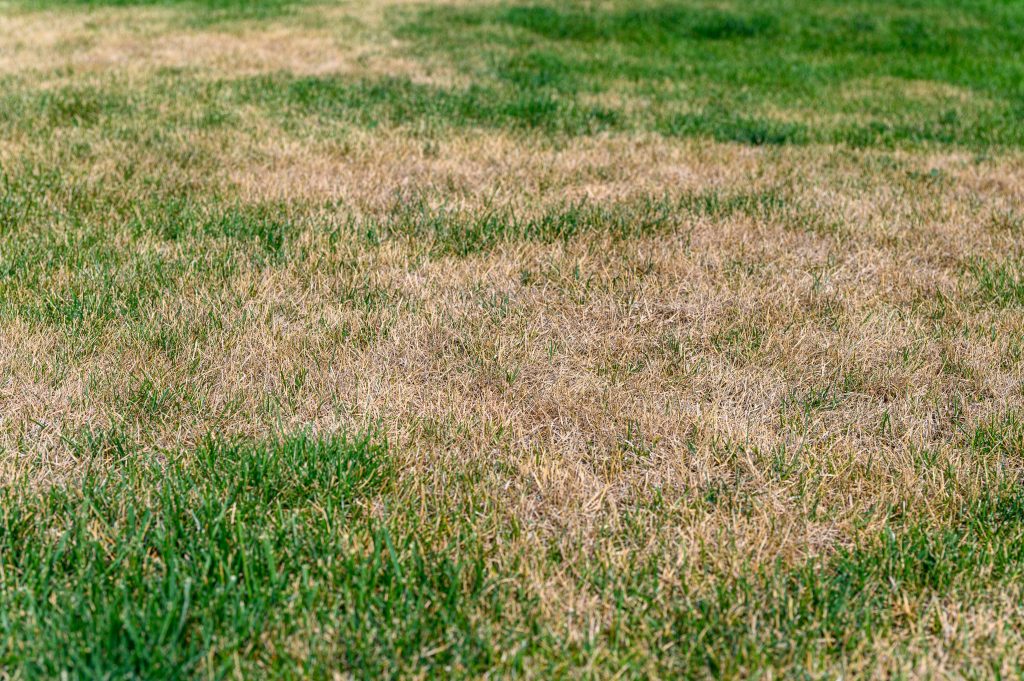
First Question: Is Your Lawn Dormant, Diseased or Dead?
Sometimes, drought will kill your grass, but in other cases, the grass simply might go dormant. When grass is dormant, it just means it is conserving resources to combat the lack of moisture. It’s not dead, but it may take on a brown or tan hue and become brittle, much like many lawns do during the winter months. The roots remain alive, and once appropriate moisture returns, the grass may begin to turn green again. If the grass is dead, this won’t occur.
The challenge with diagnosing a drought-damaged lawn is that lack of water may resemble a number of other problems, including various diseases and pest infestations. Before you begin treating your lawn for drought, it helps to rule out other problems. Ask a few of the following questions:
- Does the lawn appear patchy, with green grass in some areas and brown in others?
- Do brown patches reappear even after drought has passed?
- Is there existing moisture or existing wet areas in the lawn?
If you answered yes to any of these, it may be a sign that you don’t actually have a drought problem. The best next step is to contact a lawn care professional to evaluate your turf and diagnose the real issue. Don’t immediately begin watering your lawn constantly in an effort to restore moisture. If drought is not the issue, you may risk doing further damage.
5 Tips to Help a Drought-Damaged Lawn Recover
If you determine that drought is causing your grass’s problems, the next steps are to create the conditions your grass needs to recover. Here are a few tips to help:
1. Don’t Automatically Assume Grass is Dead
Start by assuming your grass is simply dormant, and just needs a little assistance to get back to where it needs to be. Don’t automatically think the grass is dead and begin replacing it. If you do, you risk putting the cart before the horse.
Periodically water your lawn using a sprinkler or other irrigation system. The grass likely won’t recover overnight, but it will still receive appropriate moisture replacement to help it avoid becoming excessively dehydrated. In time, new grass will begin to emerge and color will return. If there are areas of grass that have actually died, you’ll begin to notice the difference. You can then focus on replacing the dead areas and let living areas recover naturally.
Keep in mind, the amount of hydration grass needs may vary based on factors like:
- The type of grass
- The soil type
- The amount of sunlight or shade the grass receives
Additionally, during times of drought, it’s not uncommon for local authorities to issue water use restrictions that limit how frequently you’re allowed to water your lawn. Before starting any grass rehabilitation, check to see how these may affect your area.
The good thing about working with a dedicated lawn care provider is that the professionals will keep abreast of the different factors that may impact your lawn’s hydration, and they can come up with a plan to manage the problem as effectively as possible.
2. Keep Irrigation Balanced
Drought may not affect your full lawn, and only certain areas may be underwatered. As you begin to rehabilitate dried portions, you’ll want to make sure you aren’t overwatering healthy portions.
- If you have an irrigation system, check for broken or misaligned sprinkler heads. Areas with damage may be parched, and this needs to be corrected.
- Run your irrigation systems and watch where the water actually lands. Make sure there is appropriate overlap.
- Check for areas of your yard where water may be pooling or running off too quickly. If these exist, it may be a sign that other parts of your lawn are not receiving enough water.
If uneven watering is part of your problem, you may be able to correct it by optimizing your irrigation processes. Barefoot Lawn Care’s team can provide the expert irrigation services that will keep things working correctly.
3. Correct Soil and Compaction Problems
Grass has to have the right soil conditions to grow. If it doesn’t, there’s a chance it might be more susceptible to drought. For example:
- If you have hard or compacted soil, it may become more difficult for the grass’s roots to expand and access the moisture in the soil.
- If soil is too wet and doesn’t drain properly, the grass may become oversaturated, damaging and weakening the roots.
- Soil that lacks the right balance of nutrients also lacks the ability to appropriately feed the root system.
The goal in these cases is to create the right growing environment to support strong grass. A variety of soil management techniques, such as top dressing, aeration and regular fertilization may help. Every lawn is different, and your processes might change over time. Be careful not to apply too much nitrogen-rich fertilizer as you begin the rehabilitation process. Doing so might overload the grass with nutrients and cause other problems.
4. Don’t Let Weeds Take Hold
Weeds are a big threat to drought-prone lawns. Where your turf grass may struggle during dry periods, invasive weeds might actually have the perfect conditions to thrive. If you aren’t careful, they can push out dormant or dead grass and quickly take over your lawn.
Alongside any efforts to rehydrate your lawn, you’ll likely want to maintain an appropriate weed-control regimen. You may need both pre-emergent and post-emergent treatments depending on factors like the type of weeds present and the current season.
5. Reseed or Replace Only When Turf Is Truly Lost
It’s certainly possible to simply reseed or replace drought-damaged grass and move on. However, if you don’t address any underlying issues, then the new grass will be just as susceptible to damage as the old.
A better approach is to develop a lawn care plan that skillfully balances irrigation, fertilization, reseeding, weed control and other factors that nurture and sustain healthy grass. That way, when dehydration and drought begin to emerge, you’ll be able to know when grass truly is a lost cause, and when it just needs a little more TLC.
How Long Will Drought-Damaged Grass Take to Recover?
Patience is a virtue when dealing with drought-affected grass. The recovery process will likely take some time, and you’ll want to make sure you don’t overdo it when nursing your lawn back to full health.
Every lawn’s drought issues are different, so there’s no real timeline for how long it will take yours to recover. Dormant lawns may perk up more quickly once moisture returns. However, factors such as the grass type, soil conditions, weather and the severity of the damage may all affect recovery times. Dead areas typically take longer to recover, as replacement grass will need time to take root and begin to spread. Sometimes, the regrowth cycle will take several seasons.
When To Have Your Lawn Professionally Evaluated
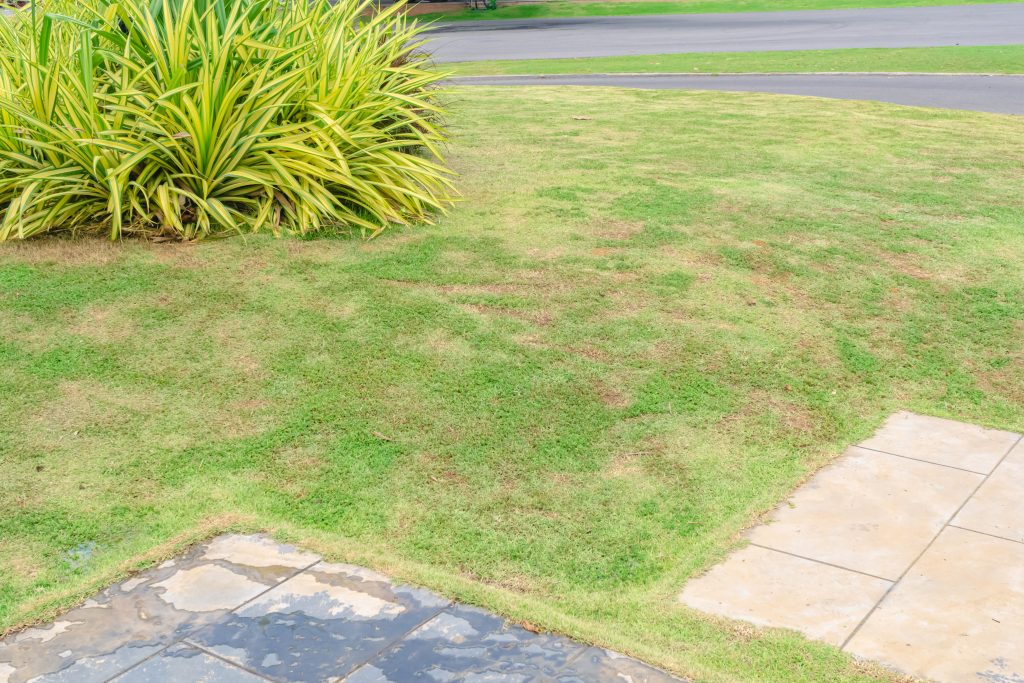
Sometimes, drought damage is just part of the season. You’ll just need to put a little extra work into your lawn to help it hold out until rainfall and growing conditions improve. In other situations, however, a dry lawn may point to a larger problem that needs a closer look.
Having a professional take a look at drought-affected lawns can really come in handy during these periods. Consider having the lawn evaluated when:
- Large areas remain brown or bare after conditions improve.
- The same parts of the lawn decline continuously.
- Irrigation coverage appears uneven.
- New grass repeatedly fails to establish or survive.
When you work with Barefoot Lawn Care, we’ll prioritize getting a full picture of the various issues that may make your lawn more susceptible to droughts. We’ll then recommend a care program that will help keep healthy areas in great shape while encouraging recovery in others.
Give Your Lawn the Right Start on Recovery
Barefoot Lawn Care is the North Carolina team you can trust to help your lawn be in its best shape to stand up to droughts. Request a free lawn analysis and get a recovery plan built around your grass type and lawn conditions.
Frequently Asked Questions
How does drought affect different North Carolina grasses?
Many types of grass that we commonly see in North Carolina are very drought-tolerant. These include tall fescue, Bermuda and zoysia. Still, even the most hardy turf grasses are not immune to drought and will eventually die if deprived of moisture for too long.
Depending on whether you have cool-season or warm-season grass, your drought treatment approach may vary. Some grasses can also more easily re-grow in drought-affected areas. Speak to your lawn care professional to learn the best way to manage drought in your specific turf.
How can I tell if drought-damaged grass is dead or dormant?
Dormant grass and dead grass may both appear brown, brittle and sparse. However, dormant grass is not dead, and will likely begin greening up once moisture levels and temperatures improve. If turf does not improve with changing conditions, it is likely dead.
Will brown grass turn green again after a drought?
Don’t overly fertilize a lawn in an attempt to speed up the drought recovery process. Applying too much fertilizer may create nutrient imbalances in the soil that lead to other issues with the grass.
When you work with a lawn care professional, they’ll know the right way to apply appropriate fertilizers to create optimal growing conditions.