Why Does My Tall Fescue Lawn Keep Dying Every Summer?
In this blog:
- Tall fescue grass tends to grow best in cooler weather. North Carolina’s hot, dry and humid summers may overwhelm grass if it’s not properly maintained.
- Improper irrigation, short mowing, disease and poor growing conditions can compound summer tall fescue damage.
- Most tall fescue grass needs reseeding in fall, but long-term survival depends on addressing the causes of your lawn’s issues.
Even though it’s a cool-season grass, tall fescue can thrive in North Carolina’s warm, humid, often-dry summers with proper care. But if your beautiful spring lawn turns brown and patchy come summer, it may be a sign that something’s not right.
Heat, drought, shallow roots, irrigation issues, improper mowing, disease and challenging growing conditions can all add strain to tall fescue grass. While reseeding might help replace the lost grass, it still won’t address the (literal) root causes of your tall fescue issues. The key is to identify what’s stressing your lawn and fix it. Let’s take a closer look at reasons your tall fescue turf may keep dying in summer.
Why Tall Fescue May Struggle in North Carolina Summers
Tall fescue is a cool-season grass that tends to thrive in the spring and fall when temperatures run between 60°F and 75°F. It’s popular in North Carolina and other states that sit in the U.S.’s Transition Zone—a wide swath of the country situated between the cooler north and the warmer south—where both cool-season and warm season grasses can grow.
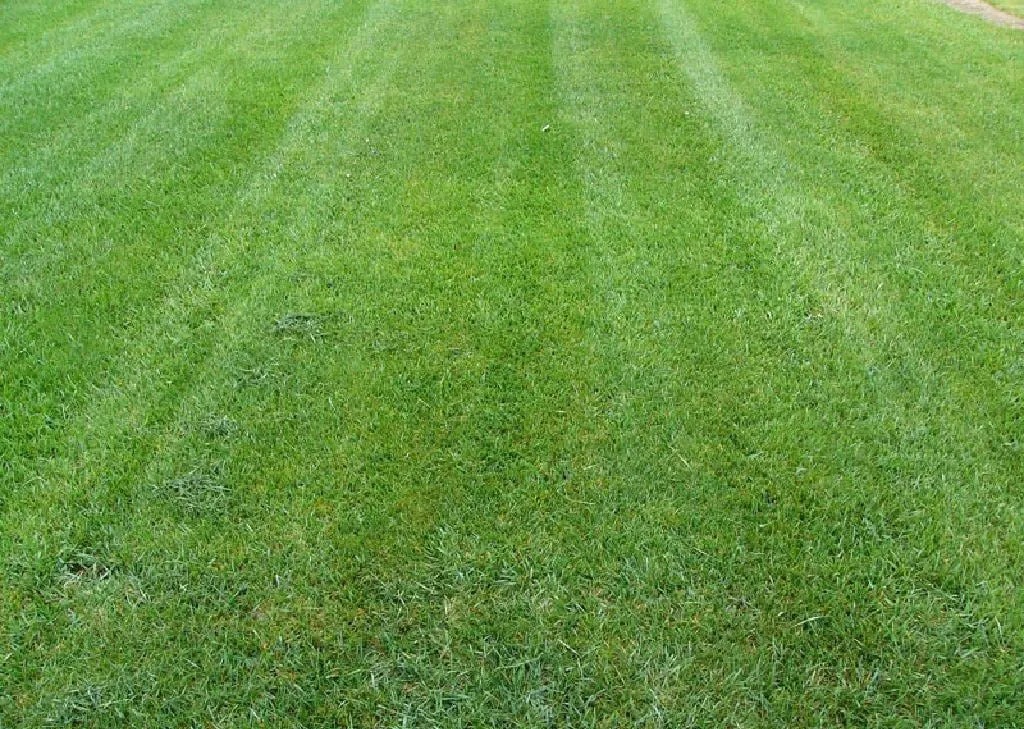
To keep your tall fescue grass healthy, you’ll need to adapt your lawn care practices with the seasons. Cool-season grasses may face extra stress during North Carolina’s hot, humid and drought-prone summers. Growth may slow, brown patches may appear and the turf may become dormant. Issues like weak roots, poor soil conditions or existing disease might compound the issue and increase the risk of turf death. Helping your tall fescue grass be in prime condition to survive summer means taking a balanced, strategic approach to lawn care and keeping issues at bay.
Is Your Tall Fescue Grass Dead, Dormant or Diseased?
If you look outside in summer and notice that your tall fescue has begun to turn brown or patchy, don’t automatically assume it’s dead. The turf might be experiencing a number of issues, such as dormancy or disease. Proper adjustments may help things improve.
The table below illustrates common tall fescue issues, their causes and what you should do next. However, remember that every tall fescue lawn is different, and your issues may manifest in unique ways. Multiple issues may also affect the same lawn at once. It’s better to work with a professional to properly diagnose, revitalize and maintain a tall fescue lawn.
| Tall Fescue Appearance | Possible Causes | Potential Next Steps |
| Uniform tan or brown grass after hot, dry weather | Heat or drought stress; possible dormancy | Check the soil moisture and determine if the grass is still alive |
| Irregular brown patches during hot, humid weather | Brown patch or another turf disease | Review your watering schedule and check for signs of disease |
| Thin grass in high-traffic or hard-soil areas | Compaction, weakened roots and restricted growth | Aerate compacted areas and improve the soil as needed |
| Dry streaks or isolated brittle spots | Uneven irrigation or water-resistant soil | Adjust irrigations system and examine the soil before increasing watering |
5 Reasons Your Tall Fescue Keeps Dying in Summer
1. Heat and Drought Stress Are Overwhelming the Lawn
Heat stress becomes a real risk when tall fescue grass endures long stretches of hot, dry weather and full sun exposure. The grass’s growth may slow and it can turn brown. Some grass will become dormant and prolonged heat stress can kill the grass.
If you suspect that heat is doing a number on your tall fescue, check to see if the soil is particularly dry, and then adjust your irrigation practices accordingly. However, do not over-water the lawn or apply nitrogen-based fertilizer in an effort to force rapid green-ups. Overcorrections may lead to further issues.
2. The Roots Are Too Shallow or Restricted
Compacted soil, heavy foot traffic and poor soil structures may all make it difficult for tall fescue’s roots to develop. If this is the case, the grass may be less able to withstand heat and drought because it can’t absorb moisture appropriately.
Remedying root issues in tall fescue grass may involve a number of approaches. Healthy irrigation may help, while core aeration can free up space and allow root structures to expand. Considering limiting foot traffic in these areas, if possible, to prevent additional compaction.
3. Your Irrigation Is Too Little, Too Much or Uneven
Watering tall fescue grass means striking a balance. Too much water increases your risk of disease and oversaturation; too little may prevent enough moisture from reaching the roots.
Here are a few practical irrigation tips to keep in mind during summer:
- If you have an irrigation system, make sure that each sprinkler head is working properly and covering the correct area. Uneven coverage may fail to saturate certain areas of grass, leading to brown spots in one place and oversaturation in another.
- Plan watering around changing weather patterns. During humid, rainy or stormy periods, your grass may not need additional water.
- Try to water grass in the early to mid-morning. This allows the grass plenty of time to dry in the sun and prevents prolonged leaf wetness.
Also, don’t forget that different sections of your lawn may have different watering needs. Areas in full sun may require more water than shaded areas, for instance. A trained lawn care professional can help you balance your watering practices across the full lawn.
4. You Are Mowing Fescue Too Short
Tall fescue’s ideal height varies by season. NC State’s Extension recommends keeping it 3–3.5 inches high during summer (June through August) and never mowing off more than ⅓ of the total grass height at once. The added length can help your grass better retain moisture and withstand heat, protecting the roots throughout the hottest part of the year. See our guide on how to measure tall fescue grass for more information.
5. Summer Lawn Disease Is Taking Advantage of Stressed Turf
Hot, humid summers may put tall fescue at greater risk of fungal lawn diseases. Brown patch disease and gray leaf spot disease are particular concerns.
- Brown patch disease is caused by the fungus Rhizoctonia solani. It begins by turning individual blades of grass brown before spreading to the neighboring area. It can produce roughly circular areas of brown, tan or yellow grass across your lawn. Poor drainage, overwatering and extended leaf wetness can contribute to the problem.
- Gray leaf spot disease, as the name suggests, appears as grayish brown spots on individual grass blades. It tends to affect newer turf grass the worst. Issues that increase the moisture in the grass also increase the risk of gray leaf spot disease.
Keep in mind, there are a lot of grass diseases out there, and they can look very similar sometimes. Proper diagnosis is important, and lawn disease treatments may include fungicide applications, irrigation management and a variety of other practices. An experienced lawn care professional can help you determine the right treatment approach based on your specific lawn.
Summer Tall Fescue Diagnostic Checklist
A professional lawn care provider can help you narrow down the issues that are causing your tall fescue lawn to look haggard. However, before you call in a professional, ask yourself a few questions:
- Did the issue develop following a heat wave or drought?
- Is the damage uniform, or does it appear in irregular patches?
- Has the area been appropriately watered?
- Is the grass properly mowed to its recommended summer height?
- Are there disease symptoms or prolonged periods of wet foliage?
- Do the same spots fail every year despite overseeding?
Depending on your answers, you might be able to better pinpoint what is causing the issue. You can then bring these observations to your lawn assessment to help narrow down the cause.
Why Reseeding Alone May Not Fix a Lawn That Dies Every Summer
It’s actually a good practice to reseed a tall fescue lawn annually, typically at the end of summer or beginning of fall. Tall fescue has a bunching, clumping growth pattern, so annual overseeding can help fill in developing patchy spots and encourage fuller, more even turf to grow back next year.
However, reseeding alone might only be a temporary solution if underlying problems remain. New grass may begin to experience the same issues as existing grass, leading to repeated turf loss year after year. It’s better to pair reseeding with a thorough tall fescue maintenance program that addresses surrounding issues and supports healthy growth.
What a Year-Round Tall Fescue Care Plan Should Address
If you want your tall fescue lawn to survive in summer, you’ll have to ensure it receives the right care year-round. Here’s what that may look like:
- Late winter and spring: Appropriate nutrition and fertilization helps encourage growth. Weed control begins. Diagnosing soil issues early may help prevent stress before summer begins.
- Spring through summer: Priorities include disease prevention, continued weed management, balanced irrigation and proper mowing. Practices may evolve as environmental conditions change.
- Fall: Reseed as appropriate, taking care to fix any underlying problems that might inhibit regrowth.
Barefoot Lawn Care follows an eight-phase tall fescue maintenance program that is designed to address the primary needs your turf is likely to have at specific times of year. Each plan is further tailored to your lawn, providing very specific care for your unique issues while minimizing waste. The ultimate goal is to make sure your lawn is in the best position to thrive with the changing seasons and return year after year.
Stop Restarting Your Fescue Lawn Every Fall
North Carolina’s summers can be tough on tall fescue lawns, but with proper care, your turf will be better able to withstand the heat of the season. By learning how to identify potential issues, you can better figure out where treatment is needed, and what can be done to keep your turf in a healthy shape year-round.
Barefoot Lawn Care helps homeowners in Raleigh, Wilmington and surrounding communities curate lawns they love. Request a free lawn analysis to explore year-round tall fescue care that addresses the causes of repeat summer decline.
Frequently Asked Questions
Does tall fescue naturally die in the summer?
Tall fescue does not automatically die in summer. Growth might slow and the grass may become dormant. However, if tall fescue has underlying issues like severe stress, disease or irrigation problems, death may be more likely.
Can brown fescue grass come back after summer heat?
Brown fescue grass may begin to revive in autumn’s cooler temperatures if it hasn’t died. As stress alleviates, dormant grass can revive. To give your lawn a better chance of survival, you’ll want to maintain proper upkeep throughout the summer. This may include balanced irrigation, proper mowing, fungicide treatments, weed control and other tactics. Areas that do not revive in fall are likely dead, and reseeding may be necessary.
How often should I water fescue grass in summer?
There’s no golden rule for watering fescue in summer. You may need to adjust your watering schedule based on local drought conditions and existing soil moisture. Even if a lawn is dormant, periodic watering can help support its recovery. Always water in the early morning.
Why does my fescue come back after overseeding and die again the next summer?
If your fescue lawn continues to die off after overseeding or reseeding, it’s likely a sign that you failed to address the underlying cause of an issue. If you don’t eliminate stressors like overirrigation, soil compaction, drought or lawn disease, any new grass could suffer from the same issues as the grass that already died.